Selecting the Perfect Cream for Whipping: A Complete Guide
Creating exceptional whipped cream depends fundamentally on choosing the right type of cream. Understanding the differences between various cream types, their fat content, and how they behave when whipped will transform your culinary results from acceptable to extraordinary.
The key to successful whipping lies in understanding how fat content affects cream’s ability to hold air and maintain structure. Fat globules in cream create the framework that traps air bubbles, forming the light, stable foam we recognize as whipped cream.
Fat Content Classifications
Heavy Cream (35-40% fat)
Premium choice for consistent, stable whipped cream
Creates firm peaks that hold shape for extended periods
Rich, luxurious mouthfeel and flavor
Most forgiving for beginners
Whipping Cream (30-35% fat)
Adequate for most whipping applications
Slightly less stable than heavy cream
May require more careful handling to prevent overwhipping
Good balance of richness and lighter texture
Light Cream (18-30% fat)
Limited whipping capability due to lower fat content
Produces softer, less stable foam
Tends to deflate relatively quickly
Better suited for pouring applications
Half-and-Half (10-18% fat)
Minimal whipping potential
Cannot achieve firm peaks consistently
Primarily designed for coffee and cooking applications
Not recommended for decorative whipped cream
The Science of Successful Whipping
How Whipping Works
When cream is agitated, fat globules cluster together while simultaneously trapping air. The mechanical action breaks down the fat globule membranes, allowing them to form a network that encases air bubbles. Higher fat content provides more material to create this stabilizing structure.
Temperature Considerations
Cold cream whips more effectively because:
Fat remains solid at lower temperatures, providing better structure
Cold cream holds air bubbles more efficiently
Reduced risk of accidentally creating butter through overwhipping
Faster achievement of desired consistency
Specialized Cream Products
Stabilized Heavy Cream
Some manufacturers add natural stabilizers like gelatin or vegetable gums to heavy cream. These additives:
Extend the shelf life of whipped cream
Provide additional structure and stability
Help prevent weeping or separation
May slightly alter texture and mouthfeel
Ultra-Pasteurized vs. Regular Pasteurization
Regular Pasteurized Cream:
Heat-treated at lower temperatures for shorter periods
Maintains better whipping properties
Creates more stable foam structure
Preferred choice for optimal results
Ultra-Pasteurized Cream:
Higher temperature processing affects protein structure
May whip less predictably
Can result in slightly grainy texture
Still functional but not ideal for premium applications
Regional Cream Variations
Australian and UK Markets
Thickened Cream (35% fat)
Contains added stabilizers and thickening agents
Excellent for whipping applications
Maintains consistency well over time
Popular choice for commercial kitchens
Double Cream (48% fat)
Ultra-rich cream available in some markets
Whips very quickly and holds shape exceptionally well
Risk of overwhipping into butter
Intense richness may overwhelm delicate flavors
North American Standards
Heavy Whipping Cream
Standard 36% fat content
Reliable performance across brands
Widely available in most grocery stores
Consistent results for home and professional use
Optimal Storage and Preparation Techniques
Pre-Whipping Preparation
Equipment Chilling:
Refrigerate mixing bowls for 30 minutes before use
Chill beaters or whisk attachments
Use metal bowls for better temperature retention
Keep cream at 35-40°F (2-4°C) until ready to use
Environmental Factors:
Work in cool kitchens when possible
Avoid humid conditions that can affect stability
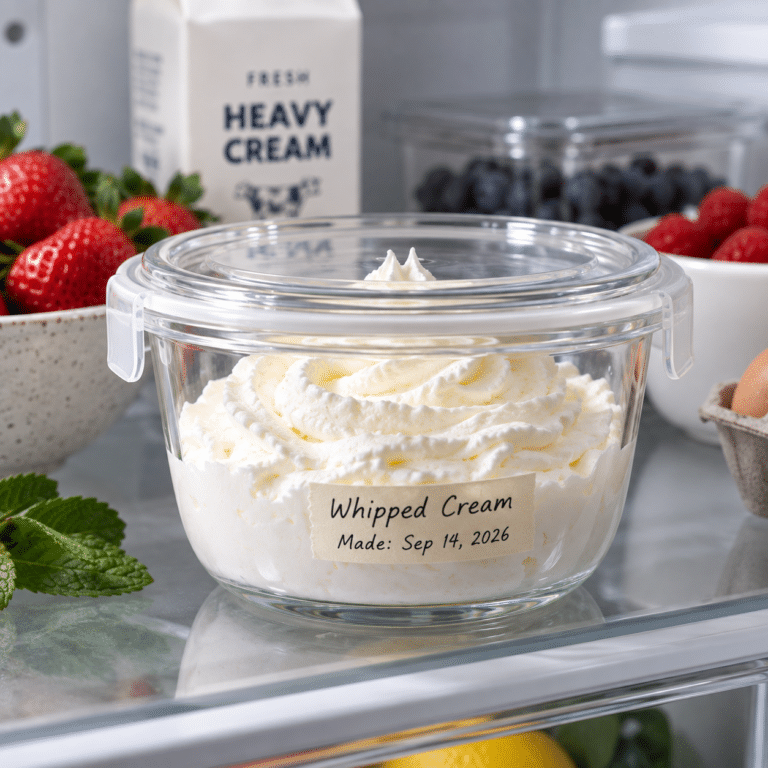
Use cream within expiration dates for best performance
Check for any off odors or unusual consistency before whipping
Whipping Technique Guidelines
Starting the Process:
Begin with low speed to prevent splattering
Gradually increase speed as cream begins to thicken
Monitor progress closely to avoid overwhipping
Stop frequently to check consistency
Achieving Perfect Peaks:
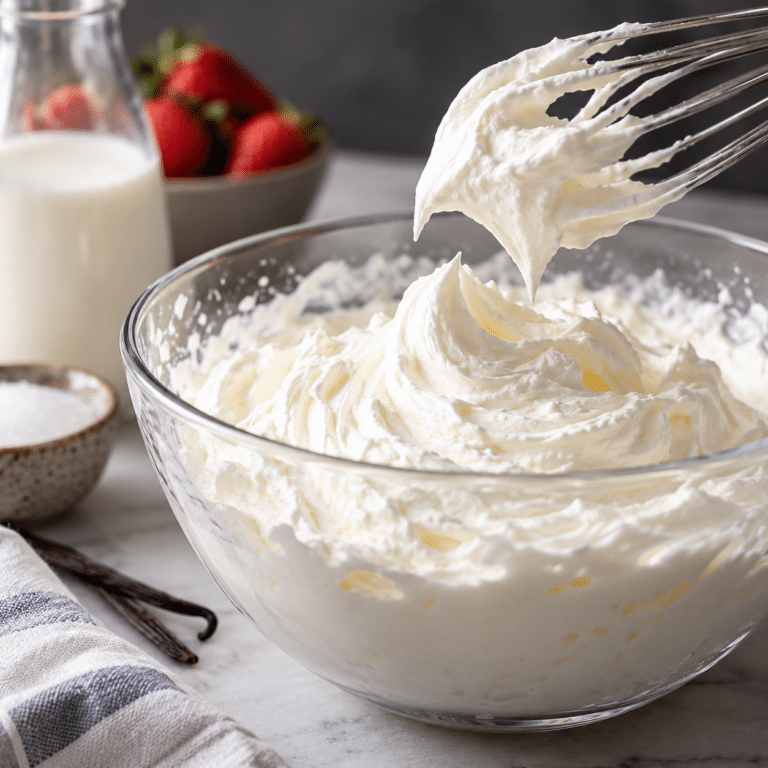
Soft peaks: Tips curl over when beaters are lifted
Medium peaks: Tips hold shape but bend slightly
Stiff peaks: Tips stand straight and maintain form
Selecting the appropriate cream for whipping involves understanding the relationship between fat content, processing methods, and intended applications. Heavy cream with 35-40% fat content consistently delivers superior results, while proper technique and temperature control ensure optimal texture and stability.
Success comes from combining quality ingredients with proper preparation methods and understanding how different variables affect the final product. Whether creating simple whipped cream for coffee or elaborate dessert presentations, the foundation lies in choosing the right cream and applying proven techniques.
Remember that practice improves results, and understanding the science behind whipping helps troubleshoot problems and achieve consistent success across different applications and conditions.
We're a small Melbourne crew that has delivered cream chargers and N₂O tanks to the city's cafés, bars and home kitchens since 2021 — more than 12,000 orders at a 4.92★ rating. Everything we publish comes from what we see daily: which tanks venues actually order, what fails, what questions customers text us at 1 AM. We also run Melbourne's free empty-tank collection and recycling service.