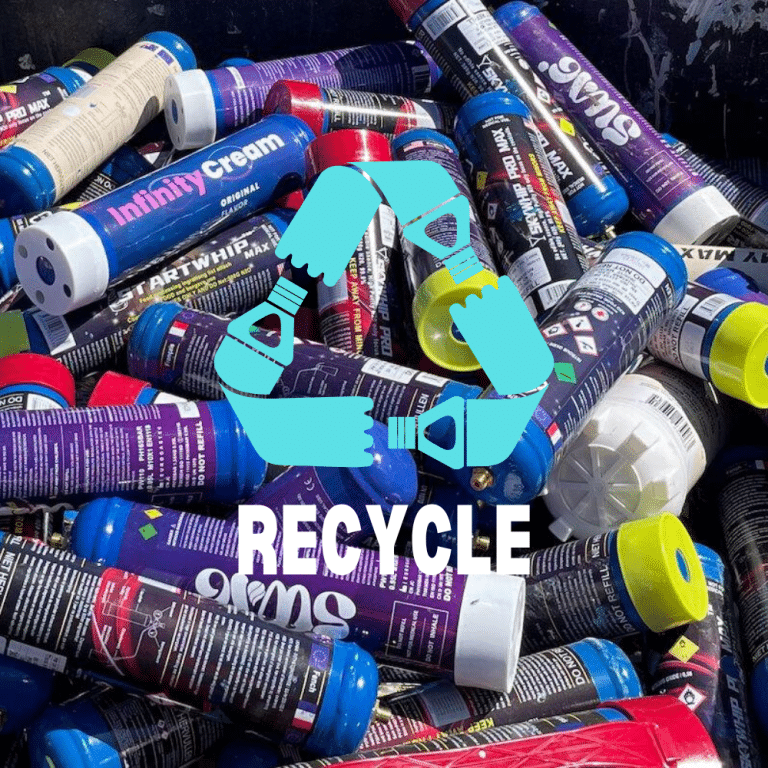
What Are Cream Chargers?
Cream chargers are small, pressurized steel cylinders containing nitrous oxide gas. When used with a whipped cream dispenser, they create the pressure needed to transform liquid cream into light, fluffy whipped cream. The process works by dissolving N2O into the cream under pressure, which then expands when dispensed, creating the characteristic airy texture.
The Science Behind the Process
Nitrous oxide is particularly effective for this application because it’s highly soluble in fats and doesn’t react with food ingredients. When released from pressure, the dissolved gas rapidly expands, creating millions of tiny bubbles that give whipped cream its signature texture and volume.
Legitimate Culinary Applications
Professional Kitchen Uses
- Restaurants and cafés: Creating fresh whipped cream for desserts and beverages
- Bakeries: Producing mousses, foams, and light cream fillings
- Cocktail bars: Making flavored foams and unique drink toppers
- Catering services: Preparing large quantities of whipped products efficiently
Home Cooking Applications
- Dessert preparation: Fresh whipped cream for cakes, pies, and fruit
- Beverage enhancement: Topping hot chocolates, coffees, and specialty drinks
- Creative cooking: Infusing flavors into creams and creating unique textures
- Special occasions: Professional-quality results for entertaining
Global Terminology and Recognition
Different regions use various terms for these culinary tools:
International Names
- United Kingdom: Cream chargers, whippets
- United States: Whip-its, cream cartridges, N2O chargers
- Europe: Gas cartridges, cream gas cylinders
- Australia/New Zealand: Local colloquial terms exist alongside standard terminology
Legal Status and Regulations
Regulatory Framework
Cream chargers exist in a complex legal environment across different countries, with regulations focusing on age restrictions and intended use.
Australia and New Zealand
- Legal for legitimate culinary purposes
- Age restrictions typically apply (18+ years)
- Vendors must verify intended culinary use
- Penalties exist for sales to minors or obvious misuse scenarios
International Status
- United Kingdom: Legal with some regulatory oversight
- United States: Generally legal with state-by-state variations
- Canada: Classified as non-controlled products for legitimate use
- European Union: Varies by country with increasing regulation
Safety Considerations and Risk Awareness
Proper Handling Guidelines
When using cream chargers for their intended culinary purpose, following safety protocols is essential:
Safe Usage Practices:
- Use only with appropriate dispensing equipment
- Follow manufacturer instructions precisely
- Ensure adequate ventilation in work areas
- Store canisters in cool, dry locations
- Never puncture or attempt to refill cartridges
Understanding Misuse Risks
While cream chargers serve legitimate purposes, misuse can lead to serious health consequences:
Immediate Health Risks:
- Oxygen deprivation if misused without proper ventilation
- Potential for cold burns from direct contact with gas
- Risk of falls or accidents due to disorientation
- Possible choking or throat irritation
Long-term Health Concerns:
- Vitamin B12 depletion with excessive misuse
- Potential nerve damage from chronic misuse
- Risk of developing tolerance or dependency
- Respiratory complications from improper use
Responsible Purchasing and Use
For Retailers
- Implement age verification systems
- Train staff to recognize legitimate culinary purchases
- Provide information about proper use
- Refuse sales when misuse is suspected
For Consumers
- Purchase only for legitimate culinary applications
- Store safely away from children
- Use appropriate dispensing equipment
- Dispose of empty cartridges responsibly through recycling
Industry Applications and Innovation
Commercial Food Service
The food service industry relies heavily on cream chargers for:
- Consistent product quality
- Labor efficiency in busy kitchens
- Extended shelf life of prepared creams
- Precise portion control
- Creative menu development
Culinary Innovation
Modern chefs use cream chargers for advanced techniques:
- Molecular gastronomy applications
- Rapid infusion processes
- Creating unique textures and presentations
- Developing signature dishes and cocktails
Storage and Handling Best Practices
Proper Storage Conditions
- Temperature-controlled environment (below 50°C/122°F)
- Dry location to prevent rust or corrosion
- Away from direct sunlight and heat sources
- Secure storage to prevent accidental puncture
- Original packaging until use
Equipment Maintenance
- Regular cleaning of dispensers and attachments
- Inspection of seals and gaskets
- Proper assembly according to manufacturer guidelines
- Professional servicing when required
Environmental Considerations
Sustainable Practices
- Recycling empty steel cartridges through appropriate channels
- Choosing products from environmentally responsible manufacturers
- Minimizing waste through proper usage techniques
- Supporting brands with sustainability commitments
Impact Awareness
Understanding the environmental implications of N2O production and disposal helps make informed choices about usage frequency and disposal methods.
Professional Training and Education
Industry Standards
Professional kitchens often implement training programs covering:
- Proper handling and safety procedures
- Equipment maintenance and troubleshooting
- Creative applications and techniques
- Legal compliance and responsible use
Consumer Education
Home users benefit from understanding:
- Basic safety principles
- Proper equipment selection
- Maintenance requirements
- Legal responsibilities
Future Considerations and Trends
Regulatory Evolution
Legal frameworks continue evolving as authorities balance legitimate commercial needs with public health concerns. This includes:
- Enhanced age verification requirements
- Stricter vendor licensing
- Improved labeling and warning systems
- Better tracking of distribution channels
Industry Innovation
The culinary industry continues developing new applications and improved safety measures:
- Enhanced dispenser designs
- Better safety features
- More efficient gas utilization
- Sustainable production methods
Conclusion
Cream chargers serve important functions in professional and home kitchens worldwide, enabling the creation of high-quality whipped products and innovative culinary applications. Understanding their proper use, safety requirements, and legal considerations ensures that these tools continue to serve their intended culinary purposes effectively.
Responsible use begins with education about proper handling, awareness of safety requirements, and respect for legal frameworks. Whether you’re a professional chef, restaurant owner, or home cooking enthusiast, following established guidelines protects both users and the continued availability of these valuable culinary tools.
The key to maintaining access to cream chargers lies in demonstrating responsible use, supporting appropriate regulations, and prioritizing safety in all applications. By understanding both the benefits and risks, users can make informed decisions that support legitimate culinary innovation while promoting public safety.