Melbourne's Fastest Nang Delivery Service

Once you have the equipment, the actual process takes about 90 seconds. Here is the full sequence from empty whipper to dispensed cream.
Cream chargers look simple — a small metal bulb you load into a whipper, push down, and somehow get firm whipped cream out the other end. But if you have just bought your first whipper and a pack of chargers, the missing instructions and the unfamiliar mechanics can make the first attempt feel risky. This guide walks through exactly what cream chargers do, how to load them safely, what good technique looks like, and how to fix the most common problems on the first try.
A cream charger is a small steel bulb filled with food grade nitrous oxide gas (N₂O). When you load it into a cream whipper and pierce the seal, the gas releases under pressure and dissolves into the cream inside the dispenser. When you press the lever, the cream is pushed out through the nozzle and the dissolved gas instantly expands, turning the cream into stable whipped foam.
That is the whole mechanism. The chargers do not freeze the cream, and they do not whip it through any beating action. They use pressurised gas to do what a whisk does mechanically — incorporate air, structure the fat, and create the airy texture. The advantage over hand whipping is speed, consistency, and the fact that the dissolved gas keeps the cream stable in the fridge for up to two weeks without losing its texture.
Standard 8g and 8.2g cream chargers contain enough N₂O for one charge of a 500ml whipper, which produces roughly 1.5 litres of whipped output. Larger format N₂O tanks (660g to 4.6L) work on the same principle but feed multiple charges from one cylinder via a regulator.
You need three things to make whipped cream with a charger. A cream whipper rated for 8g cartridges, a cream charger, and cold heavy cream. If any of these are missing or wrong, the result fails before technique becomes a factor.
A cream whipper is the metal or aluminium dispenser the charger loads into. Common brands include ISI, Mosa, Liss, Avanti and our own Skywhip Pro 500ml. The 500ml size is the universal default and uses one charger per fill. Larger 1 litre whippers exist for high volume kitchens but use two chargers per fill, which is overkill for most home and cafe use.
Use 8g or 8.2g food grade chargers from a recognisable brand with proper certification. Supremewhip 8.2g chargers carry CE, FDA, ISO 22000, NSF and HACCP food safety certifications and fit every standard whipper. Avoid generic unbranded chargers from supermarket aisles or overseas drop shippers — the per charger cost difference is small but the certification matters.
Use cold heavy cream with at least 35% fat content. Lower fat creams (single cream, light cream, thickened cream below 35%) will not whip properly because there is not enough fat to structure the foam. Pure cream and heavy cream both work; thickened cream from supermarkets is borderline depending on brand. Make sure the cream is cold straight from the fridge — warm cream produces loose, unstable foam that collapses fast.
Once you have the equipment, the actual process takes about 90 seconds. Here is the full sequence from empty whipper to dispensed cream.
Pour cold heavy cream into the whipper body, stopping at the maximum fill line marked inside (typically 500ml on a 500ml whipper). If you want sweetened cream, add 1 to 2 tablespoons of icing sugar (powdered sugar works better than granulated because it dissolves immediately) and a teaspoon of vanilla extract. Stir briefly to combine. Do not overfill — the gas needs space to expand above the liquid.
Screw the head onto the whipper body until firm but not over tightened. Make sure the gasket inside the head is seated correctly and undamaged — a torn or missing gasket will cause gas to leak the moment you charge the whipper. Most heads have a coloured ring or marker that indicates correct alignment.
Drop a single 8g or 8.2g cream charger into the charger holder (the small cylindrical housing that screws onto the side of the whipper head, usually labelled). The charger should sit with the narrow end facing the holder’s pin. Screw the holder onto the whipper head firmly. As the holder threads tighten, the pin pierces the charger seal and releases the N₂O into the whipper body. You will hear a brief hiss as the gas charges the cream.
Holding the whipper upright by the body, shake firmly four to six times. The shaking distributes the dissolved gas evenly through the cream, which is what produces the consistent foam texture when you dispense. Under shaking gives runny output; over shaking can split the cream into solid butter — four to six firm shakes is the right number for most 35% to 45% fat creams.
Hold the whipper upside down, point the nozzle at your serving plate or pastry, and press the lever in short controlled bursts. The cream comes out as firm whipped foam ready to use. Always dispense with the whipper inverted — this allows the gas at the top to push the cream out from underneath. Dispensing right way up just releases the gas and leaves the cream behind.
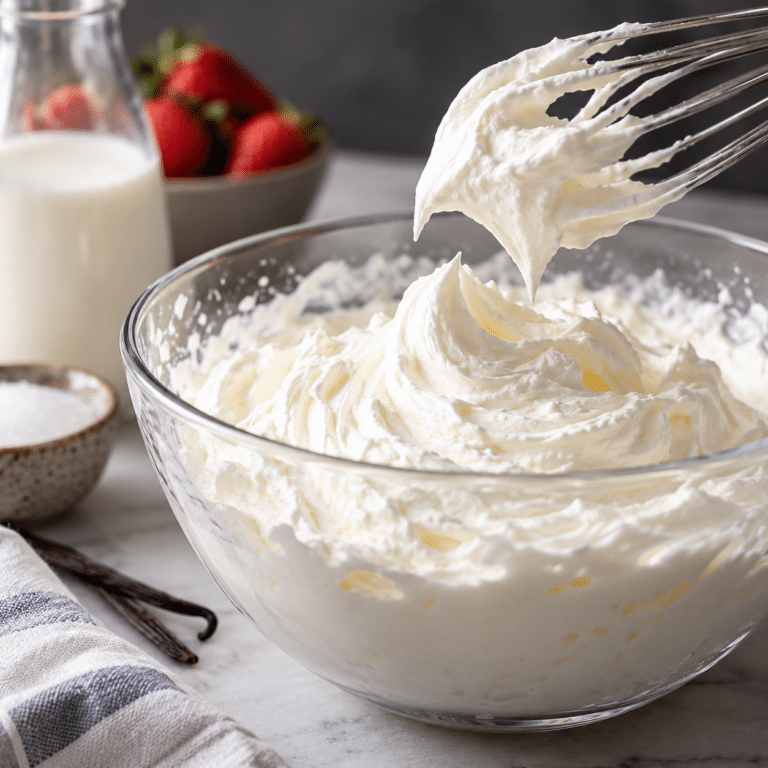
The cream should hold its shape on the plate or piping nozzle without slumping immediately. It should be light and airy, not dense or buttery. The peak should hold for at least a minute at room temperature without losing structure. If your output looks like the cream from an aerosol can, you have it right.
If the texture is wrong, the diagnosis is usually one of three things. Loose runny output means the cream was not cold enough, or the fat percentage was too low, or you under shook. Dense buttery output means you over shook, or the cream was already partially whipped before charging. No output at all (just gas) means the gasket failed, the charger did not pierce, or the lever is jammed.
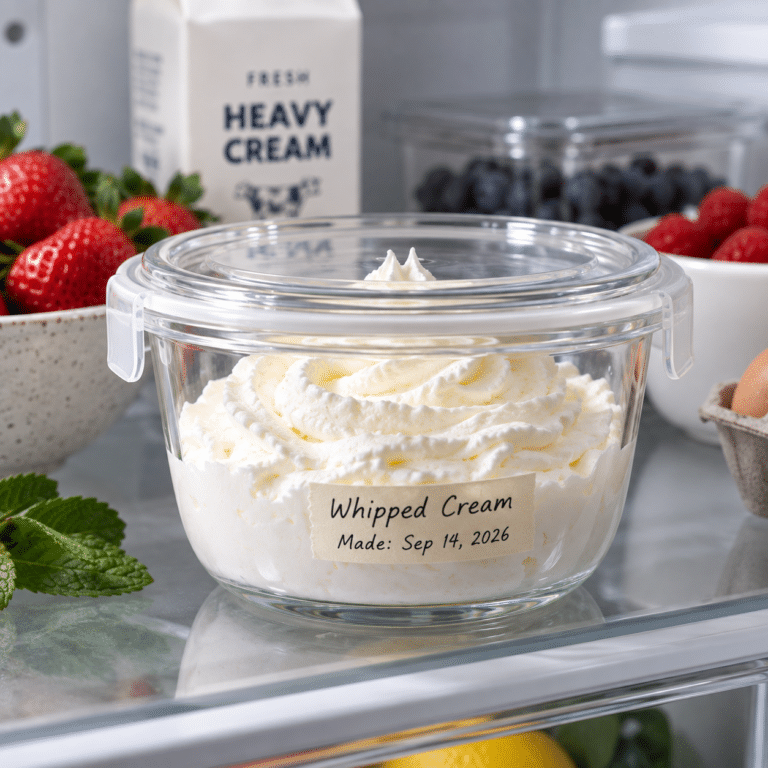
A charged whipper of cream lasts up to 14 days in the refrigerator without losing texture or splitting. Keep the whipper upright in the fridge between uses. Each time you dispense, the cream comes out as firm foam without re shaking. The dissolved nitrous oxide acts as a stabiliser, which is why charged cream stays whipped where hand whipped cream collapses within hours.
The 14 day window assumes pasteurised cream and a clean dispenser. If you want shorter shelf life with extra additions (chocolate, fruit purees, alcohol infusions), reduce the storage window to 5 to 7 days because the additions accelerate spoilage faster than the cream alone.
Most first time failures come down to one of six mistakes. Here is what to watch for and how to fix each one.
This is the most common cause of failure. Anything below 35% fat will not whip. Check the carton — it should say heavy cream, pure cream, or thickened cream with the fat percentage listed. Light cream, single cream, and most “cooking cream” products are too low fat to whip properly.
Warm cream produces loose foam that collapses within minutes. Always use cream straight from the fridge, ideally below 4°C. If you need cream at room temperature for a recipe, charge it cold first and let the dispensed foam warm up — do not warm the cream before charging.
Shaking distributes the dissolved gas evenly. If you skip the shake or shake too few times, the gas concentrates near the top of the whipper and dispenses inconsistently — sometimes foam, sometimes flat liquid. Four to six firm shakes is the minimum.
One 8g charger is calibrated for one 500ml fill. Loading two chargers does not produce firmer cream — it over saturates the gas, often splitting the cream into a buttery mess and risking damage to the gasket and threads from over pressure. Stick to one charger per fill on a 500ml whipper.
The gasket is the small rubber or silicone ring inside the whipper head that creates the gas tight seal. If it is torn, missing, or seated incorrectly, gas leaks straight out when you charge the whipper. Check the gasket before every use; replace it every 6 to 12 months depending on frequency of use.
Cream whippers are designed to dispense inverted. Holding the whipper upright when you press the lever releases gas through the nozzle but leaves the cream sitting at the bottom of the body. Always invert before dispensing.
Dispense any remaining cream until only gas comes out, then unscrew the charger holder and the head. Wash the whipper body, head, gasket and decorating tip in warm soapy water by hand. Avoid the dishwasher — high heat cycles degrade the aluminium body and the silicone gasket prematurely. Reassemble dry, with a light food safe lubricant on the gasket every few months to maintain the seal.
Used chargers should be completely empty of gas before disposal. Once empty, the steel cartridges are 100% recyclable through your normal kerbside metal recycling stream.
If you find yourself burning through more than 30 chargers a day, the economics shift in favour of large format N₂O tanks. A single 660g Skywhip Pro Max tank replaces about 100 standard 8g chargers. A 3.3L tank replaces around 400, and the 4.6L Ignite Max replaces 600+. Tank format requires a different dispenser with an M11 thread regulator instead of an 8g charger holder, but the technique once charged is identical.
For a clear comparison of when to switch, see the N₂O Tanks category page. For pre built bundles that include both formats, see our Combo Deals.
If you are starting from scratch, a single Skywhip Pro 500ml whipper plus a 50 pack of Supremewhip 8.2g chargers is enough kit for a month of weekend desserts. All our cream chargers ship same day across Melbourne, with most CBD orders arriving in 10 to 20 minutes. If you need help choosing the right setup for your specific use case, message us on 0468 893 888 and we will recommend the right products based on your volume.
Fill a cream whipper with cold heavy cream (35% fat or higher), screw the head on firmly, drop a single 8g charger into the charger holder, and screw the holder onto the head until you hear the gas charge. Shake the whipper four to six times, invert it, and dispense by pressing the lever. The whole process takes under 90 seconds.
One 8g or 8.2g charger per 500ml fill. Loading two chargers does not produce firmer cream and can split the mixture into butter. Larger 1 litre whippers use two chargers per fill, but the 500ml size is the universal default for home and cafe use.
Up to 14 days in the refrigerator if you used pasteurised cream and a clean dispenser. The dissolved nitrous oxide acts as a stabiliser, which is why charged cream holds its texture far longer than hand whipped cream. With added ingredients like fruit puree or chocolate, reduce the storage window to 5 to 7 days.
Three common causes. The cream was below 35% fat (won’t whip properly). The cream was not cold enough (use straight from the fridge). Or you didn’t shake the whipper enough times after charging (four to six firm shakes minimum). All three are fixable on the next attempt.
Yes. Chefs use cream chargers and N₂O tanks for savoury foams (parmesan foam, herb espuma), cocktail infusions (rapid fat washing, fruit infusions), molecular cuisine textures, and even quick pickle brines. The cream whipper just needs to be food safe rated; the technique adapts to whatever liquid base you charge.
The principle is identical — pressurised N₂O dissolves into the liquid and expands when dispensed. The difference is capacity. One 8g charger handles one 500ml whipper fill. One 660g Skywhip Pro Max tank handles roughly 100 fills via a regulator and tank rated dispenser. Tanks become economical above 30 charges per day; below that, single chargers are simpler and cheaper.
No. Once a charger has been pierced and discharged, it is empty and cannot be refilled. The steel cartridges are 100% recyclable through your normal kerbside metal recycling stream. The same applies to N₂O tanks — they are single use cylinders that should be safely depressurised and recycled when empty.